HOW THIS MARKET WORKS · standing notes, not news
RSS

Electricians and tile setters are opening in late November rather than next week. If you want a tool in a video before the holidays, the product has to ship inside the next fortnight. Nothing else in this market moves the lead time: it is simply how long a real job takes to film.

The Federal Trade Commission's endorsement guides require a material connection to be disclosed clearly and conspicuously, and the Commission has written to brands as well as creators, so it is the advertiser's exposure too. It has treated a bare #ambassador as probably insufficient, because the word is ambiguous, and said a disclosure a reader has to tap more to see does not count. Canadian advertisers answer to the Competition Bureau as well, whose current guidance is worth reading rather than assuming the American wording carries over.

Fitness creators price January higher than any other month and sell it out by late November. The same audience is reachable in March and September for noticeably less, which is worth knowing if your product is not seasonal.

Nine niches · mostly creators under 100,000 followers · rates before our 15%
Beauty is the dearest and the slowest; food is the cheapest place to find out whether this channel works at all. Each niche below says what a placement costs there, which formats work, and how to brief it.

$260–$740 a post
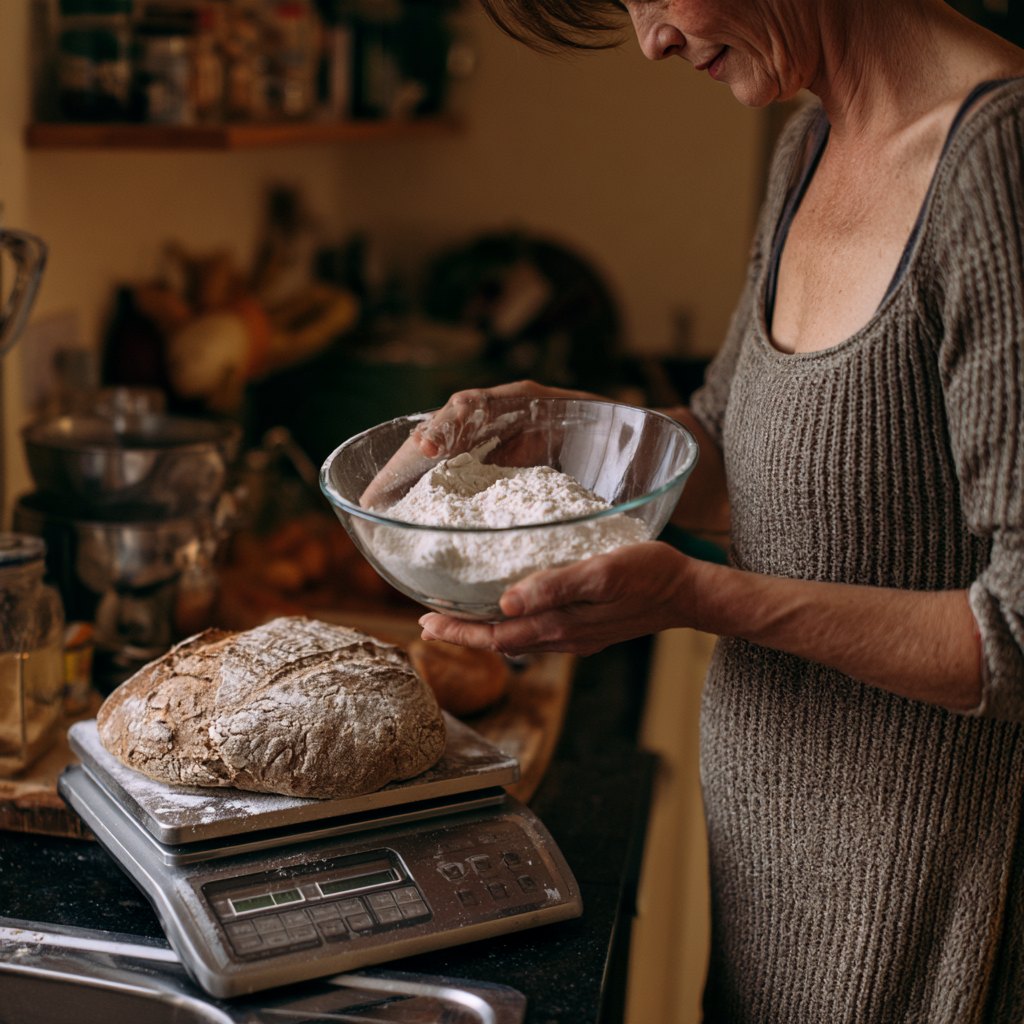
A recipe that gets cooked is worth more than a recipe that gets watched, and it is the cheapest category on this board to test in.
Recipe reels, cafe visits, grocery hauls.

$270–$650 a post
The smallest audiences on this board and the most expensive buyers in it. A plumber watching a tool test is deciding whether to spend $400 this week.
Renovations, tool tests, before-and-afters.

$420–$1,100 a post
The most expensive niche per follower, and the slowest. Nobody here reviews a product they have not used for a month.
Routines, first impressions, shade matching.

$250–$680 a post
Cheap reach, sceptical buyers. The audience has been sold too many supplements to take a claim at face value.
Training days, gear on the gym floor, meal prep.

$280–$900 a post
The highest-converting niche on this board and the one with the least patience for a script. These are purchases made under pressure.
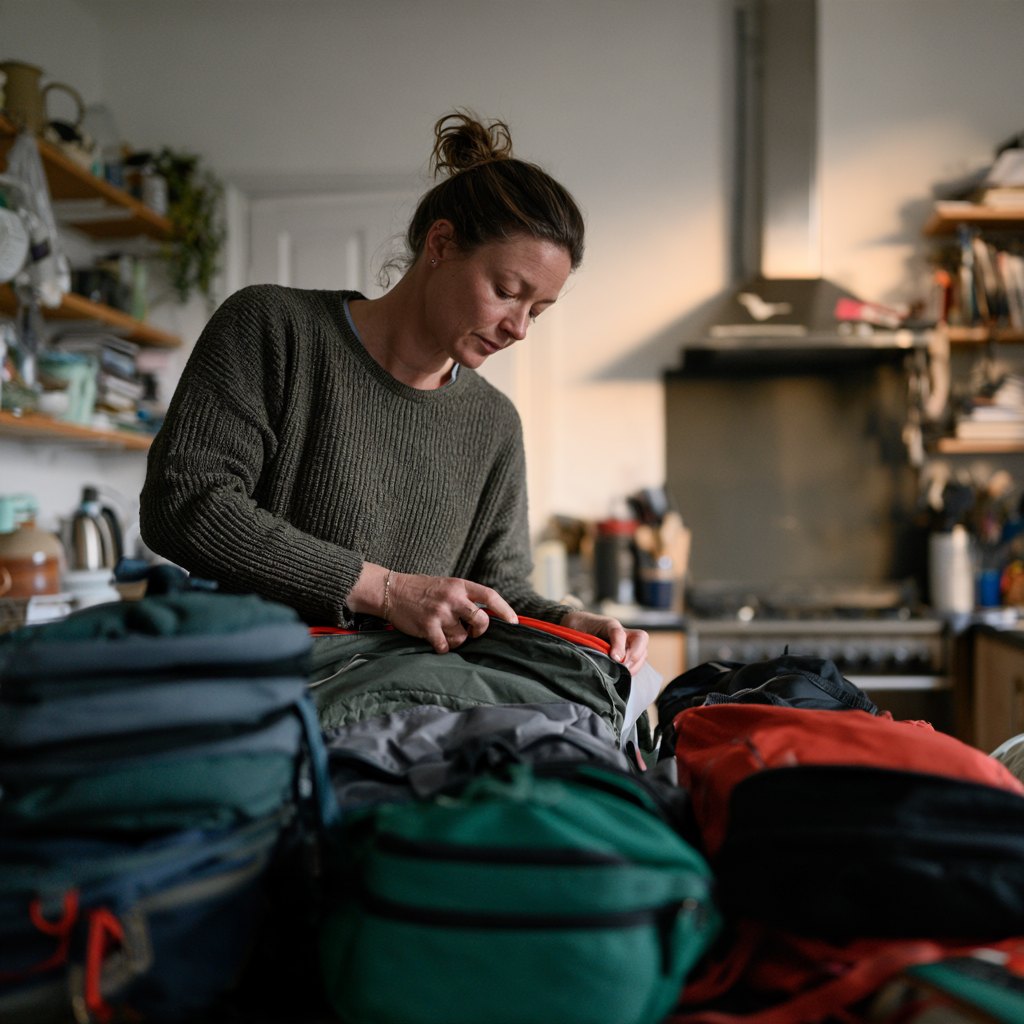
School runs, kit that survives toddlers, bedtime.

$300–$720 a post
The cheapest reach on this board, and the only niche where the product being destroyed on camera is a good outcome.
Feeding, grooming, dogs testing things to destruction.

$250–$620 a post
Consumables sell here repeatedly, and a product that works gets named again months later without a fee.
Detailing, winter tyres, weekend fixes.

$350–$850 a post
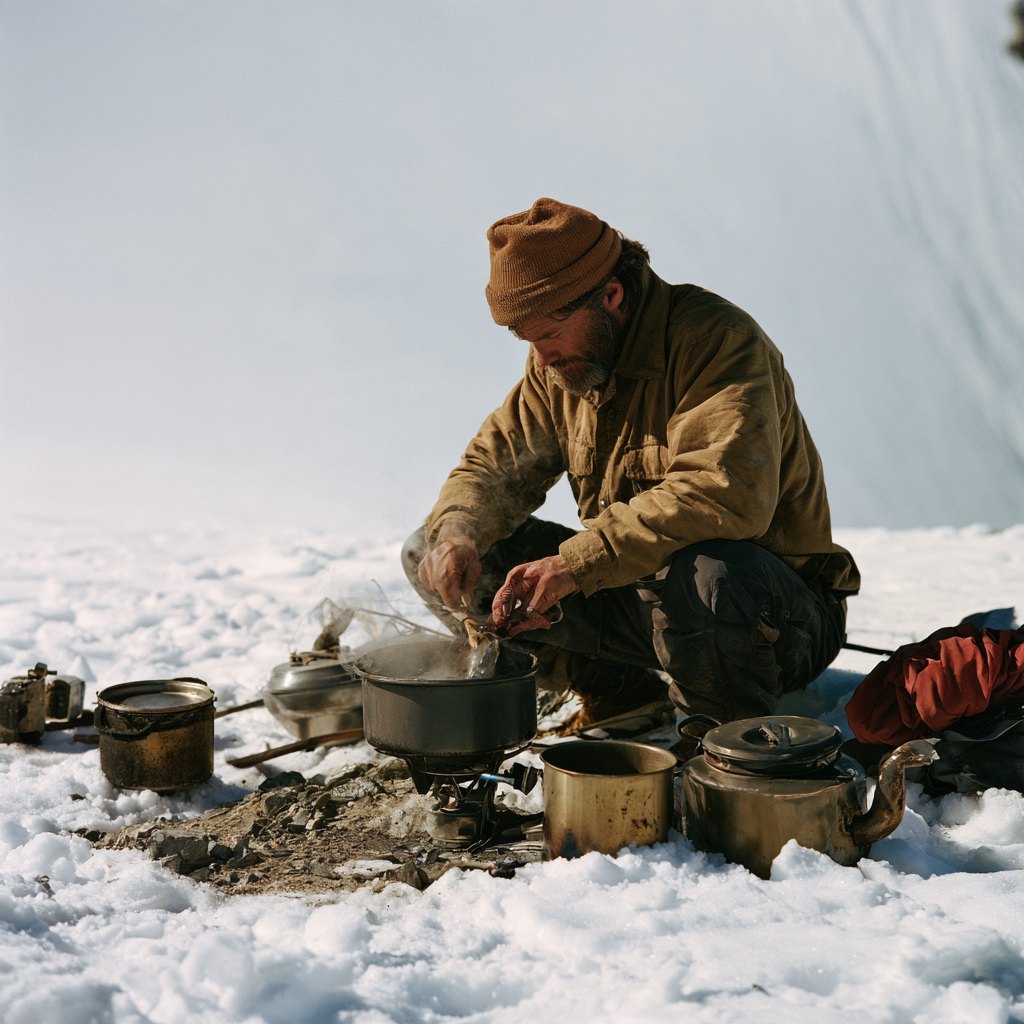
The longest lead times on this board, because the weather sets the schedule and the test is the point.
Trail days, campsite cooking, cold-weather layers.

$260–$560 a post
Small, slow, patient audiences that buy serious tools once and keep them. The cheapest niche here and the longest tail.
Studio process, materials tested, small-batch runs.
What each niche pays and when it books, how to brief it, and the disclosure rules that bind the advertiser as well as the creator. These are standing notes on how this market works — they are not dated because nothing here happened on a particular day. Follow by RSS.

A four-week test and a week to film is the normal clock in skincare, and rushing it shows. Brands that ship late end up buying a first impression instead of a review, which is a different product at a different price.

A thirty-day durability test is the first video; the follow-up, filmed when the thing is still in one piece, is the one worth paying for. A toy that fails in a week is still a video people watch, and still gets paid for.

Parenting and crafts both run heavily on Pinterest, where a post keeps arriving long after it is published. That suits a catalogue product and wastes a launch date, so the brief should say which one you have.

Footage-only costs more than a post, because the creator gives up the posting fee and keeps nothing. Buyers take it anyway when they want to run the material as their own ad for a year rather than borrow an audience once.

A business can say what a product does. It cannot require a creator to say it worked. That distinction is the whole reason the post is worth buying, and it is the first thing an audience notices when it is missing.

Tyres, batteries and block heaters are bought the week the weather turns, which means briefs arrive with no lead time and the creators who film them are already busy. Booking in September costs the same and gets better slots.

Four to six weeks, and no guaranteed verdict. A boot or a base layer judged in a mild weekend tells your customer nothing, and the audience for this material can tell the difference immediately.

Rates start around $260 for a post, the formats are short, and the audience acts the same evening. If you are not sure this channel works for you at all, it is the least expensive place to find out.

Haul and comparison formats work because the numbers are real. A brand that asks for a price rounded down loses the format's only advantage, and in most markets that request is a problem in its own right.
Five steps, two to three weeks for most formats. You approve the names and the quote before anything is booked.
A product, a price, and who buys it. Not a brief document — a paragraph is enough. If you already have a brief, send that instead.
Usually five to eight creators whose audience is actually your customer, with their rates and their next open week. You will see why each one is on the list.
Nothing is booked until you do. The quote shows each creator's fee, our fifteen per cent, and the total.
Draft to you before anything is published. One round of notes is included; a second is at their hourly rate.
Links, screenshots, the raw footage where your usage rights cover it, and the view and click figures at seven and thirty days.
Between $120 and $1,100 for a single post, depending on the size of the audience, plus our fifteen per cent. The rate guide breaks it down by follower count and by format, and every creator's own rates are on their page.
For the same money you get several voices in several towns, each talking to people who recognise them. If one post lands badly you have not spent the whole budget on it.
Two to three weeks for most formats from the day the product arrives. Anything that needs testing — a durability test, a skincare routine, a cold-weather trip — takes four to six.
You see a draft before it is published and you get one round of notes. You cannot require a particular verdict; that is what makes the post worth buying.
Yes. Footage-only is priced separately on each creator's page, and existing posts can be licensed afterwards at a quarter to a half of the original fee.
You still owe the fee — you bought the work, not a result. What we do instead is tell you the view and click figures at seven and thirty days, so the next booking is a better one.